


CHAI BUNK: COMPLETE FEATURES & WHY IT'S THE BEST OPTION FOR TIRUPATI


Chai as a business works best where people, emotion, and footfall intersect—and Tirupati offers all three in abundance, making it a powerful location for a Chai Bunk franchise. Tirupati’s blend of pilgrimage tourism, a growing urban population, and rising entrepreneurship creates a steady, year-round demand for an affordable, emotionally rooted product like chai.
Why Chai Business Works in Tirupati

Tirupati is one of India’s busiest spiritual hubs, anchored by Tirumala and Sri Venkateswara Temple, which together attract tens of millions of devotees every year. Andhra Pradesh tourism data shows that Tirupati is the state’s most visited religious destination, contributing heavily to the 237 million domestic tourist footfall recorded in 2019.
This matters for chai because:
Pilgrims, families, and groups move in cycles—early mornings, long queues, and late returns, all of which create natural demand for hot, hygienic, reasonably priced chai near transit, hotels, and markets.
Many visitors avoid random roadside stalls and look for safe, branded outlets where quality and cleanliness are assured, especially for elders and children.
Chai is an everyday essential, not a luxury; even in a low-ticket pilgrimage economy, a ₹20–₹30 cup is an easy, emotional purchase several times a day.
On top of tourism, Tirupati’s own urban base is growing fast. Current estimates put the city population at about 4.3 lakh and the metro around 6.9 lakh in 2026, up sharply from 2011 levels. This expanding urban and student population adds stable, local demand beyond pilgrims.
Tirupati’s Business Climate: Ideal for Affordable F&B
Tirupati district has a strong MSME base, with more than 55,000 registered micro, small, and medium enterprises and investments above ₹18,000 crore, supported by a proactive District Industries Centre (DIC). This indicates.
Entrepreneur-friendly systems for licenses, incentives, and credit support.
A culture where small-format, service and retail businesses can thrive, especially in consumer-facing sectors like food and beverage.
From a business-model perspective, chai checks all the boxes for Tirupati:
Low ticket, high-frequency product that aligns with pilgrims, students, locals, and workers.
Operates in small spaces—kiosks, compact cafés, and high-footfall corners near bus stands, railway stations, lodges, colleges, and main roads.
Recession-resistant: even in slower economic cycles, tea consumption in India stays stable because it is part of habit and culture.
For an investor with ₹5–7 lakh capital looking at Tirupati, chai is one of the few categories with both volume (pilgrim and local footfall) and emotional stickiness.
Why Chai Bunk Fits Tirupati Perfectly
Chai Bunk’s model—low investment, high-margin, high-footfall—maps directly onto how Tirupati works as a city.
Key advantages drawn from Chai Bunk’s current positioning and franchise content include:
Low Initial Investment: Chai Bunk typically positions itself around a low-capex model, often in the ₹5 lakh+ band including setup, equipment, branding, and basic launch support, which aligns well with MSME-scale entrepreneurs in Andhra Pradesh.
High Gross Margins: Leading chai chains, including Chai Bunk, highlight gross margins in the 50–60% range, thanks to low raw material cost per cup versus selling price.
Fast Payback: Chai Bunk franchise content repeatedly emphasizes short payback cycles and “small business, big profits” positioning, often targeting under 18 months to break even in the right location.
Tirupati, with continuous footfall from early morning to late night around the temple routes, bus stand, railway station, and lodge clusters, gives the volumes required to make those margins and payback periods realistic.
Strategic Locations in Tirupati for Chai Bunk
Tirupati is not just one market; it is a set of micro-markets linked by pilgrim and local movement. For a Chai Bunk franchise, the strongest location themes include:
Pilgrim Corridors: Routes between bus stand, railway station, and uphill departure points for Tirumala, where families halt for chai, snacks, and rest.
Lodging & Dharamshala Belts: Clusters of budget hotels, mutts, and dharamshalas where pilgrims stay before and after darshan; branded chai becomes a daily routine purchase.
Educational & Local Hubs: College areas and mixed residential–commercial streets where students and young professionals seek hangout-friendly, pocket-friendly cafés.
Emerging Growth Corridors: With initiatives like the proposed “Space City” in Tirupati and defence-linked investments, future working professionals and ancillary businesses will further boost daily beverage demand.
Chai Bunk’s container-style and compact café formats are well suited to these high-traffic but space-constrained pockets.
Financial Logic: Chai Bunk Franchise Economics in a Pilgrim City
While exact numbers depend on site, rent, and execution, chai franchises in India typically show:
Cost per cup often in the ₹3–₹5 range including tea, milk, sugar, and utilities.
Selling price in branded cafés commonly ₹20–₹40 per cup depending on format and product mix
With a strong pilgrim plus local base, a well-placed Tirupati outlet can target a few hundred cups a day, even in conservative scenarios. With 50–60% gross margins highlighted by successful chai models, this converts into attractive net margins once rent and staff costs are controlled.
Because Chai Bunk focuses on small-format, process-driven operations rather than heavy kitchen complexity, it also reduces:
Dependence on high-skill chefs.
Wastage of complex food SKUs.
Setup costs compared to full-service restaurants or large QSR brands.
That combination is powerful in Tirupati, where ticket sizes must stay reasonable, but volumes can be high and predictable due to steady tourist inflow and recurring pilgrimage culture.
Brand & Experience: Why Chai Bunk Appeals to Tirupati Consumers
Pilgrims and locals alike look for a balance of trust, taste, and value. Branded chai cafés like Chai Bunk are able to offer:
Clean, standardised outlets that feel safer than random roadside stalls, especially for families, elders, and out-of-town visitors.
Variety of SKUs such as masala chai, ginger chai, kulhad chai, cold tea, snacks, and quick bites, catering to different budgets and tastes.
Modern yet local vibe, providing seating and ambience for students, friends, and small meetings without losing the “Indian chai adda” feel.
Chai Bunk’s existing communications position it as a fast-growing, youth-friendly, yet mass-appeal brand, which can resonate strongly in a devotional city that is simultaneously modernising and attracting new categories of visitors.
Why Chai Bunk is a Smart First Franchise for Tirupati Entrepreneurs
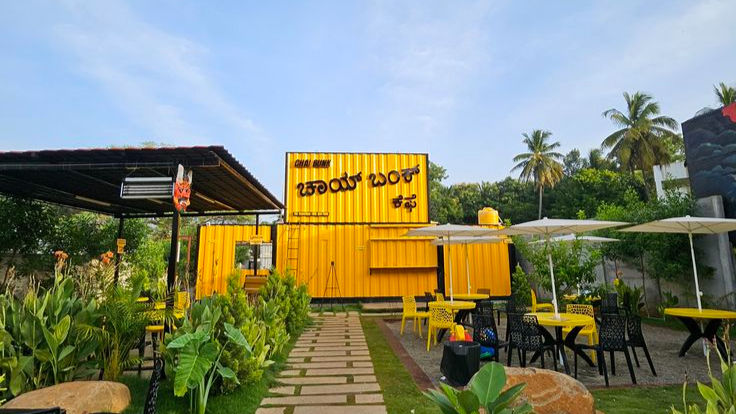
For first-time business owners in Tirupati, risk control matters as much as return. Chai Bunk’s model addresses many common fears highlighted in franchise advisory content across tea brands:
Low Entry Ticket: Lower capex compared to large food brands makes it easier to start with personal savings or smaller loans.
Proven Playbook: Standardised recipes, vendor networks, branding, and SOPs reduce the trial-and-error period that kills many independent cafés.
Training & Support: Structured training and launch support, as described in Chai Bunk’s own franchise blogs, help new entrepreneurs who do not come from F&B backgrounds
In a city like Tirupati—where demand is robust but consumer expectations on hygiene and consistency are rising—plugging into an existing chai brand with systems is safer than experimenting alone.
Positioning Your Tirupati Outlet for Long-Term Success
To maximise the Tirupati opportunity with Chai Bunk:
Prioritise location with continuous people-flow over just cheap rent; pilgrim and student traffic will pay back higher rent when volumes are strong.
Design for quick service and high throughput at peak times—morning darshan batches, late-night arrivals, and weekend surges.
Build relationships with hotels, tour operators, and local transport providers so your outlet becomes a “recommended stop” for chai breaks.
Gradually expand from core chai into a carefully curated snack menu that respects local taste and price sensitivity while keeping operations simple.
Executed well, one strong outlet in Tirupati can become the base to later expand into a small local network—near the bus stand, railway station, or educational clusters—mirroring how successful chai franchises have grown in other Tier-2 cities.
In summary, Tirupati’s fast-growing urban base, massive and recurring pilgrimage traffic, supportive MSME ecosystem, and rising preference for clean, branded outlets create a near-ideal environment for a chai franchise. Chai Bunk’s low-investment, high-margin, system-driven model fits this context tightly, making it a compelling choice for entrepreneurs ready to build a sustainable, emotionally resonant, and scalable chai business in the city. You're not choosing between "chai business vs. other franchises."
You're choosing between:
Option A: Traditional unbranded stall (20-30% margin, ₹30-50K/month, zero support, high failure risk)
Option B: Large café franchise (₹25-50L investment, 18-24 month break-even, 5-8% royalty, high complexity)
Option C: Chai Bunk (₹5-10L investment, 50-60% margins, 9-15 month break-even, 0% royalty, family support, proven scale)
The answer is obvious.
That's not just a franchise. That's wealth creation with emotional purpose.
Comments